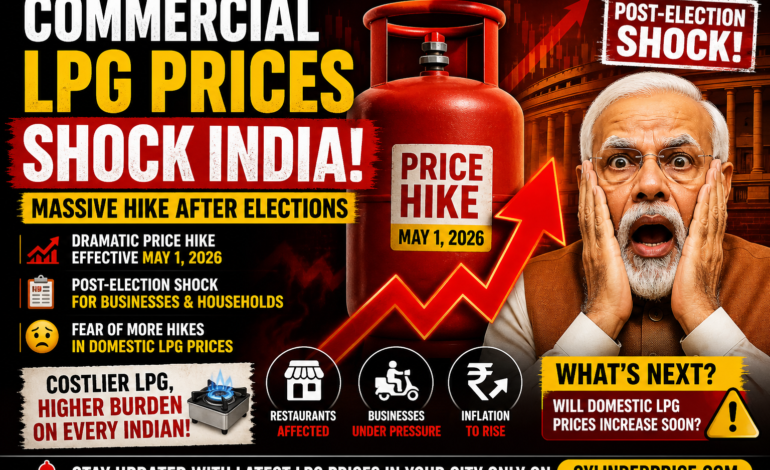
Commercial LPG Prices Shock India After Elections – Massive Hike Sparks Fear of More Increases

Commercial LPG Prices Shock India After Elections – Massive Hike Sparks Fear of More Increases is the kind of update many LPG users check before planning a refill or comparing monthly fuel costs. The headline may sound simple, but the real question is whether it affects household cylinders, commercial cylinders, or only a specific local billing situation.
For households, the concern is usually the 14.2 kg domestic cylinder. For restaurants, shops and catering work, the 19 kg commercial cylinder is more important. Both categories should be checked separately because their pricing and impact are different.
The earlier information around this topic pointed to this context: Our goal is simple: explain cylinder price, booking, connection, subsidy, and safety updates in a way that real users can understand before they make a payment, book a refill, or contact a gas distributor. This article focuses on price movement and what it means for households, businesses, and monthly fuel planning. We have written it in a practical news-style format so readers can understand what has changed, why it matters, and what should be checked next. Background from the earlier update: Commercial LPG Prices We have expanded the article so it reads more like a useful consumer report rather than a short update.
Why it matters now
LPG is part of everyday life in India. A household may look at a refill price once or twice a month, while a restaurant, tea stall or catering business may calculate cylinder cost almost every day. Because of this, even a small change in price, delivery timing or service rules can create confusion if the information is not explained properly.
The most common mistake is reading every LPG headline as if it applies to every cylinder. Domestic LPG and commercial LPG are different categories. A domestic 14.2 kg cylinder is mainly used for home cooking. A 19 kg commercial cylinder is usually used by businesses. Their prices and rules can move differently, so the reader should always check which category is being discussed.
There is also a local angle. A user in Delhi, Mumbai, Ahmedabad, Kolkata or a smaller district may see a different final amount because delivery practices, taxes, pending dues or subsidy adjustments can vary. The article should therefore be treated as guidance, while the final booking receipt remains the most important reference.
What consumers should understand
The central point is to understand what the development means beyond the headline. A price shown online may not tell the whole story if a delivery fee, previous balance, regulator charge or subsidy adjustment is added later. Similarly, a service rule may depend on whether the connection belongs to Bharat Gas, Indane, HP Gas or another authorized distributor network.
For households, the safest approach is to check the official booking app or the distributor receipt before making a decision. For commercial users, it is better to keep a monthly record of cylinder purchases so that any sudden cost change can be tracked. This is especially useful for food businesses where LPG directly affects operating cost.
Readers should also be careful about reacting to viral claims without checking date, location, and source. LPG-related misinformation spreads quickly on social media, especially when a message mentions a price hike, a subsidy benefit or a new connection rule. Before reacting, check the date of the update, the location, the provider and the cylinder type.
Search interest around commercial gas cylinder price, commercial LPG price hike, cooking gas price India also shows that readers want practical, local and easy-to-verify LPG information.
How to verify the latest details
First, confirm whether the update is about price, booking, subsidy, safety or service. Second, check the cylinder category. Third, verify the final detail through an official source such as the provider app, distributor counter, booking receipt or customer care channel.
If the topic involves price, compare the latest amount with your previous receipt. If it involves booking, keep your consumer number and registered mobile number ready. If it involves safety or equipment, do not depend on unofficial advice. A damaged pipe, leaking regulator or unusual gas smell should be handled through proper support immediately.
Readers who want to compare connected information can also check our pages on latest LPG cylinder prices, commercial cylinder price updates, and gas booking information.
Impact on households and businesses
For households, the practical impact is usually monthly budgeting. A clear LPG update helps families decide when to book a refill, how much to keep aside and whether a subsidy credit needs to be checked. It also helps users avoid confusion between the cylinder price and other charges on the receipt.
For businesses, the impact can be larger. A commercial kitchen may use multiple cylinders in a month, so price changes can affect menu planning, margins and daily expense records. Business owners should avoid relying on screenshots or forwarded messages and should instead confirm the current commercial rate before placing bulk orders.
In both cases, the best habit is documentation. Save booking messages, payment receipts and distributor contact details. If a dispute comes up later, these records make it easier to explain the issue and get support.
What readers should keep in mind
CylinderPrice will keep refining LPG price and service coverage so readers across India can understand cylinder updates without confusion or unnecessary jargon.
Before making a booking or payment decision, readers should compare the information with their latest provider receipt or official booking app. If any local rate or service detail appears outdated, send the page URL through the contact page so our team can review it.