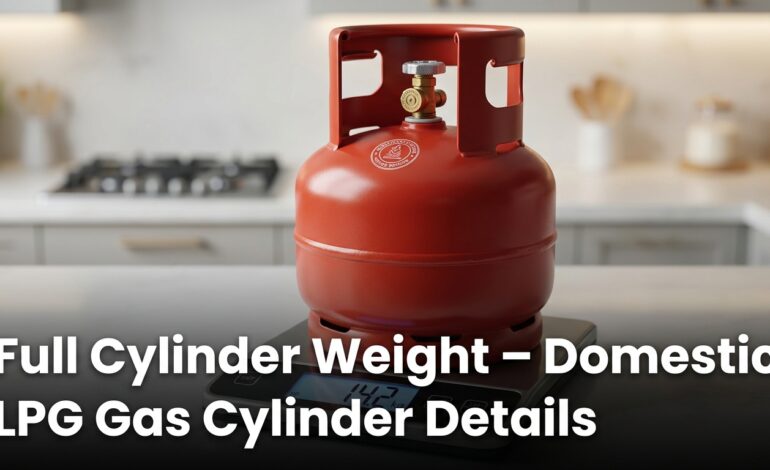
Full Cylinder Weight – Domestic LPG Gas Cylinder Details

Full Cylinder Weight – Domestic LPG Gas Cylinder Details is an important LPG cylinder equipment and deposit update for readers who want a clear answer before booking a refill, checking a bill or comparing cylinder costs. LPG information often becomes confusing because domestic and commercial cylinders follow different price categories, and service rules may also vary by distributor and location.
This report explains the issue in plain language, with the focus kept on what a real user needs to know. Instead of treating every LPG headline as a general price change, readers should first identify whether the update is about a 14.2 kg domestic cylinder, a 19 kg commercial cylinder, booking service, subsidy status, connection records or safety support.
For a broader reference, readers can also compare this update with cylinder details. If the matter relates to a government benefit or an official consumer scheme, the PMUY portal is a safer place to verify scheme-level information before relying on forwarded messages or social posts.
What changed in this LPG update
The main value of this update is context. A single price or service headline rarely tells the full story. A user may see one amount on a website, another amount during booking and a slightly different final figure on the delivery receipt because the final payable amount can include previous dues, delivery adjustments, deposit items or subsidy-related entries.
For new customers comparing upfront LPG costs, the practical question is not only whether the number has changed. The better question is what the change means for monthly planning. A household usually watches the domestic cylinder because it affects kitchen expenses. A shop or food business watches the commercial cylinder because a higher refill cost can directly affect daily margins.
That is why CylinderPrice keeps the explanation separated by use case. Domestic LPG is mainly linked with household cooking. Commercial LPG is mainly used by businesses. Booking and service updates are separate from price updates, and safety or complaint information should be treated as urgent consumer guidance rather than routine news.
Why the update matters for users
LPG remains one of the most widely used cooking fuels in India. Even when the change looks small, it can matter because millions of families plan their household budget around refill timing. For low-income homes, subsidy eligibility and correct bank linkage can also make the difference between a manageable refill and a delayed booking.
Businesses read LPG updates differently. A restaurant, tea stall, bakery or catering unit may consume more than one cylinder in a short period, so the commercial rate affects working capital and menu pricing. If a commercial cylinder becomes costlier, the pressure is usually felt faster than it is in a normal household.
The update also matters because misinformation spreads quickly around LPG. Many users receive screenshots, WhatsApp messages or short social posts that do not mention city, cylinder type or official source. Before acting on such information, readers should check the latest local booking screen, distributor receipt or official portal.
How to read LPG prices correctly
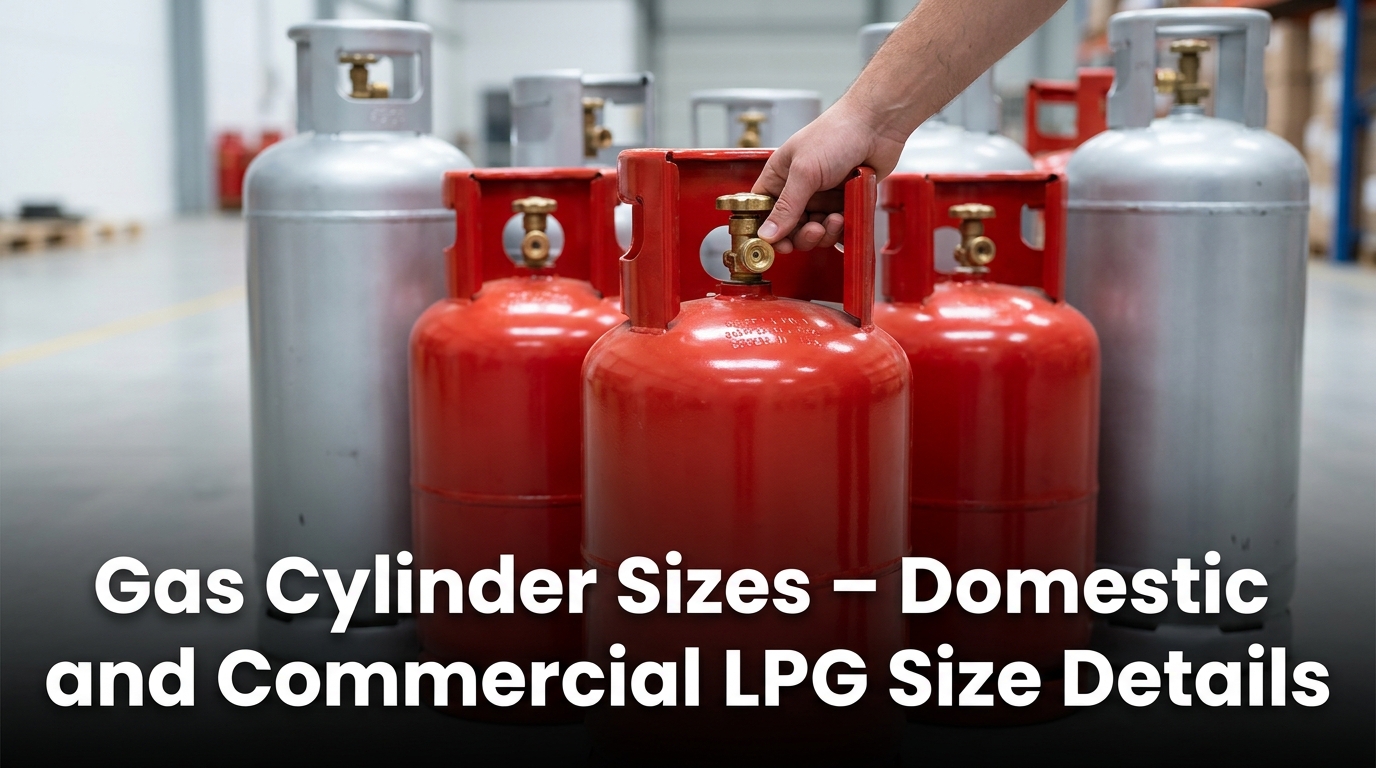
The first step is to check the cylinder category. A 14.2 kg domestic cylinder and a 19 kg commercial cylinder cannot be compared as if they are the same product. The domestic cylinder is used for home cooking, while the commercial cylinder is meant for business use and is generally more sensitive to market-linked movement.
The second step is to check the city or service area. LPG prices can be shown as city-wise rates because local delivery practices and regional cost factors may differ. A reader in Delhi, Mumbai, Kolkata, Chennai, Ahmedabad, Jaipur or a smaller district should confirm the local amount instead of relying only on a national headline.
The third step is to separate the base price from the final payable amount. If a receipt includes a regulator charge, safety hose, inspection fee, deposit, delivery adjustment or previous balance, the final amount can look different from the published cylinder rate. This does not always mean the price itself changed; sometimes it means another charge was added.
What households and businesses should check
Households should confirm the booking status, expected delivery date, distributor name and payment amount before handing over cash or accepting an online request. If a subsidy is expected, the bank account and customer ID should be checked through the official route instead of depending on unofficial agents.
Commercial users should keep a record of refill invoices because those records help when comparing monthly fuel expenses. If a business uses multiple cylinders, the owner should check whether each refill is billed under the correct commercial category and whether the supplier details match the authorized distributor.
New LPG users should pay special attention to deposit items. An empty cylinder, regulator, rubber hose or inspection visit may involve separate charges depending on the connection type and distributor policy. Keeping the original receipt is useful because it helps avoid confusion during replacement, surrender or address transfer.
Safety should not be ignored while discussing prices. If there is a smell of gas, a damaged hose, a faulty regulator or an unusual flame, the user should stop using the appliance and contact the emergency support channel or distributor. Price comparison can wait; leakage and equipment safety cannot.
CylinderPrice editorial note
CylinderPrice writes LPG updates for readers who want information they can use, not just headlines. Our aim is to explain cylinder weight, regulator, pipe, deposit and replacement details in a way that helps a user make a better decision before booking, paying, calling a distributor or comparing rates across nearby cities.
This article should be used as a consumer guide and news-style explanation. Final prices, delivery amounts, subsidy entries and connection rules should always be verified with the official booking channel, distributor receipt or government portal because those records are the authority for an individual customer.
If you are checking this page for equipment cost planning, read the update together with your latest refill receipt and your registered distributor details. That simple habit helps avoid wrong assumptions, especially when a headline talks about one cylinder category but the reader is using another.